
Top 10 Bank Scams 2026 – Full Details
Digital banking in India has grown massively in 2026. UPI, instant loans, online insurance, and mobile banking apps have made transactions faster than ever.
But at the same time, cybercriminals are using more advanced tactics to target bank customers.
From fake KYC alerts to SIM swap fraud and AI-powered scam calls, bank scams in 2026 are becoming smarter, faster, and more dangerous.
Here is the updated list of the Top 10 Bank Scams in 2026 that every banking user must know.
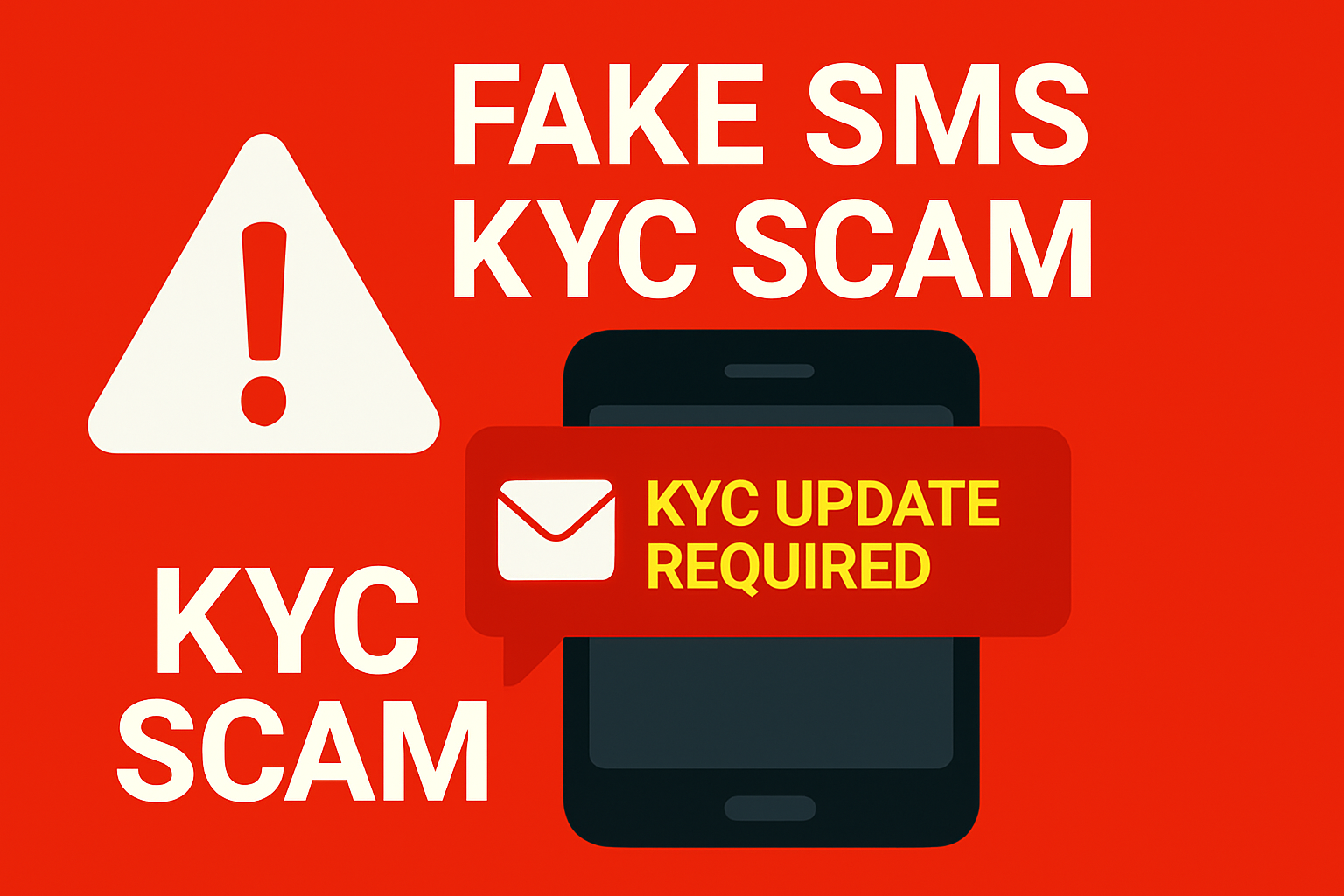
1. KYC Update Scam (Still the Most Common in 2026)
Scammers continue sending urgent messages:
“Your KYC will expire today. Update immediately to avoid account suspension.”
Victims click the link → fake bank page opens → login details + OTP entered → bank account emptied.
Why It’s Increasing in 2026
- Increased digital KYC verification
- More elderly users joining online banking
- Fake SMS systems becoming more advanced
Stay Safe
Banks notify inside the app, not random links.
Never update KYC from SMS links.
Always use your bank’s official app.
KYC Update Scam Alert:- Full Details
2. Fake RBI / NPCI Verification Calls
Fraudsters claim:
“This is RBI. Suspicious activity detected.”
They collect PAN, Aadhaar, card details, and OTP.
Remember:
- RBI never calls customers.
- NPCI does not ask for verification details.
Official Websites:
RBI: https://www.rbi.org.in
NPCI: https://www.npci.org.in
3. Fake Instant Loan Apps (2026 Upgrade)
Loan scams are now more aggressive.
Fraud apps:
- Access contacts
- Access gallery
- Threaten victims
- Demand high “processing fees”
Always download loan apps only from RBI-registered NBFCs.
4. Remote Access Refund Scam
Scammers say:
“Install this app for refund processing.”
Once installed, they control your screen and transfer money.
Banks never require remote access apps.
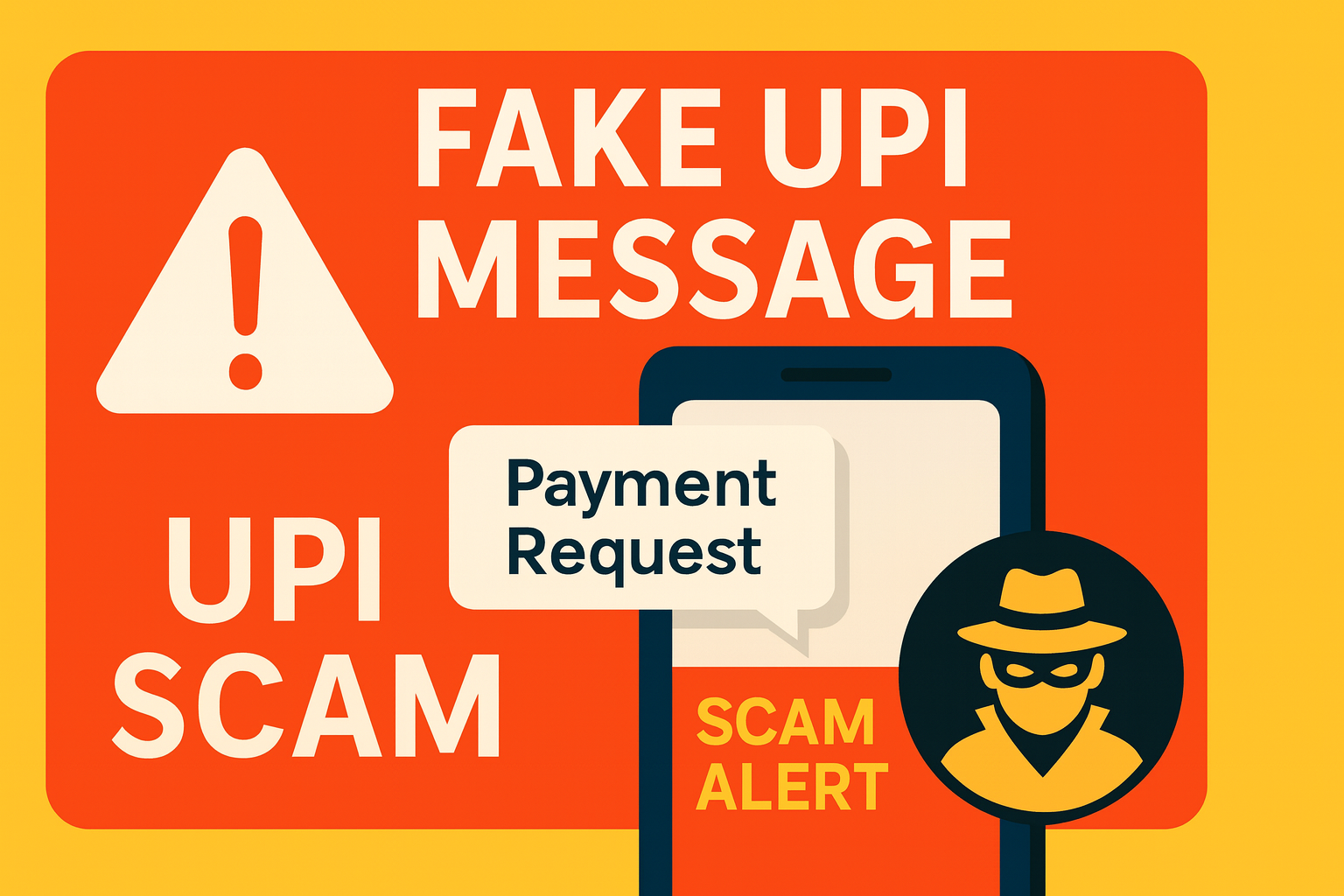
5. QR Code UPI Scam (Still Growing in 2026)
Fraudsters send QR codes claiming you will “receive” money.
Important Rule:
Scanning a QR code means YOU are paying.
Never scan unknown QR codes.
6. SIM Swap Fraud (Major Banking Risk in 2026)
Duplicate SIM issued → OTP received by scammer → bank drained.
If your mobile network suddenly stops:
Contact telecom immediately.
7. Fake Customer Care Numbers on Google
Many fraud numbers appear in search results.
Always get customer care numbers from official bank websites only.
8. Cashback & Reward Expiry Phishing
“Your reward points expire today.”
Link leads to fake login page → account compromised.
9. FedEx / Customs Digital Payment Scam
Victims are told their parcel contains illegal goods.
Fear is used to demand instant bank payment.
Official site: https://www.fedex.com
10. Insurance Maturity Refund Scam
Fake agents claim policy maturity and ask for bank details to release funds.
Always verify with your official insurance provider.
Common Mistakes in 2026
- Clicking links under pressure
- Sharing OTP
- Trusting unknown calls
- Scanning QR without understanding
- Installing unknown apps
- Ignoring sudden SIM/network issues
📢 2026 RBI Safety Reminder
RBI continues to warn customers:
- Never share OTP, PIN, CVV.
- Use only official banking apps.
- Do not trust urgent banking messages.
- Banks never ask for remote access.
🟢 Final Safety Checklist for 2026
✔ Keep SMS alerts active
✔ Change passwords regularly
✔ Avoid public WiFi for banking
✔ Verify before paying
✔ Stay calm during urgent calls
🧩 Conclusion
In 2026, bank scams are not just increasing — they are evolving.
Technology is advancing, but so are cybercriminals.
The best protection is awareness + calm decision-making.
Stay alert. Stay secure. Protect your money.
🛑 SIR Form OTP Fraud 2025 क्या है?
What is the most common bank scam in 2026?
KYC update scams remain the most common bank fraud in 2026, followed by SIM swap and QR code scams.
Does RBI call customers for verification?
No. RBI never calls customers asking for OTP, PIN or banking details.
What should I do if I become a victim?
Immediately call 1930 and report on cybercrime.gov.in.